

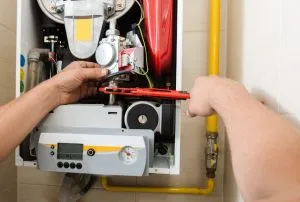


A furnace can stop heating for many reasons, but electrical problems are among the issues that homeowners should take seriously. Modern furnaces rely on electrical power for the thermostat, control board, ignition system, blower motor, safety switches, and other components. When one of these parts fails, the furnace may refuse to start, shut down unexpectedly, or operate inconsistently.
Understanding the warning signs can help homeowners recognize a potential problem early. While basic checks such as inspecting the thermostat and circuit breaker are generally reasonable, electrical repairs inside a furnace should be handled by a qualified HVAC professional. For homeowners searching for furnace repair Orange County, recognizing these symptoms can make it easier to describe the problem accurately and seek appropriate service.
Why Furnaces Depend on Electrical Components
Even gas-powered furnaces require electricity to operate their controls and many of their major components. The thermostat sends a heating request, the control board manages the operating sequence, the ignition system starts the heating process, and the blower motor circulates heated air.
Safety devices also depend on electrical circuits. For example, a limit switch can interrupt furnace operation if temperatures become excessive. These controls are designed to prevent damage and unsafe operating conditions.
Because several components work together, a failure in one electrical circuit can make the entire furnace appear to be broken.
A Furnace That Is Completely Silent May Have a Power Problem
One of the clearest warning signs is a furnace that does absolutely nothing when the thermostat calls for heat.
Start with simple observations. Check whether the thermostat display is operating and confirm that the thermostat is set to heating mode with the desired temperature above the current room temperature. You can also check whether the furnace’s service switch is turned on and whether its circuit breaker has tripped. These are among the basic checks recommended for a furnace that will not start.
If the breaker repeatedly trips after being reset, however, it should not simply be reset over and over. Repeated breaker trips can indicate an underlying electrical or equipment problem that requires professional diagnosis.
Watch for Repeated Circuit Breaker Trips
A furnace circuit breaker is designed to protect the electrical system from excessive current. If it trips occasionally because of an unusual event, the cause may be relatively simple. Repeated trips are different and deserve attention.
Possible causes can include an electrical short, an overloaded circuit, a failing motor, damaged wiring, or another component drawing excessive current. Determining the exact cause requires electrical testing and should not be based solely on the breaker itself.
If the breaker trips again soon after being reset, leave the furnace off and arrange for professional inspection rather than repeatedly restoring power.
Listen for Humming From the Blower
A humming sound without normal airflow can point toward a blower-related electrical problem. Depending on the furnace design, possible causes can include a failing blower motor, a defective capacitor on certain motor types, or a control problem.
A blower motor that cannot start properly may prevent the furnace from circulating heated air. In some systems, inadequate airflow can also cause the furnace to overheat and activate a safety limit.
Homeowners should avoid opening the blower compartment to test electrical components unless they have the appropriate training and equipment. Capacitors and other electrical components can present shock hazards even when the system appears to be switched off.
A Blower That Runs Continuously Can Also Indicate an Electrical Fault
Not every continuously running blower indicates a serious electrical failure. First, check the thermostat’s fan setting. If the fan is set to “On,” continuous operation may be intentional.
If the thermostat is set to “Auto” but the blower continues running, the problem could involve the thermostat, wiring, control board, fan relay, or a safety control. A furnace limit switch can also affect blower operation when the system detects excessive temperature.
This is a good example of why diagnosing a furnace based on one symptom can be misleading. Several different components can create similar behavior.
Flickering Displays and Intermittent Operation
Electrical problems are not always dramatic. Sometimes a furnace continues to operate but becomes unreliable.
A thermostat display that repeatedly shuts off, controls that reset unexpectedly, or a furnace that works intermittently can indicate a power or low-voltage control issue. Loose connections, damaged wiring, a failing transformer, or problems with the control board can potentially interrupt communication between the thermostat and furnace.
Intermittent problems can be especially difficult to diagnose because the furnace may operate normally when a technician arrives. Keeping track of when the problem occurs and what the furnace does immediately beforehand can provide useful information.
Faulty Capacitors Can Affect Furnace Operation
Some furnace blower motors use capacitors to help the motor start and operate properly. When a capacitor deteriorates, the blower may struggle to start, hum without rotating, or operate inefficiently.
A capacitor problem can sometimes be mistaken for a failed blower motor. Professional testing can determine whether the capacitor is within its specified electrical range and whether the motor itself is functioning correctly.
Because capacitors can retain an electrical charge, homeowners should not attempt to handle or test them without appropriate training and safety equipment.
Control Board Problems Can Create Multiple Symptoms
The furnace control board coordinates many stages of the heating cycle. Depending on the system, it may control the ignition sequence, blower operation, safety circuits, and communication with the thermostat.
A defective control board can therefore produce several different symptoms, including failure to start, unusual cycling, blower problems, or diagnostic fault codes.
Replacing a control board based only on a symptom is not recommended. Other components may produce similar symptoms, so a technician should test the relevant circuits before replacing an expensive part.
Pay Attention to Furnace Diagnostic Codes
Many modern furnaces include an LED indicator or diagnostic display on the control board. When the furnace detects a fault, the system may communicate the problem through a series of flashes or a displayed code.
These codes can help a technician narrow down the problem, but they do not always mean that the component named by the code is defective. For example, a safety-related code may be triggered by an underlying airflow problem rather than a failed safety switch.
If your furnace has a diagnostic code, record the exact pattern and consult the manufacturer’s documentation or provide the information to an HVAC professional.
Dirty Filters Can Trigger Problems That Look Electrical
Not every furnace shutdown is caused by faulty wiring or electrical components. A severely dirty air filter can restrict airflow and contribute to overheating.
When a furnace overheats, its safety controls may shut down the heating process. A blower motor that is struggling because of restricted airflow can also experience additional stress. Carrier recommends checking furnace filters regularly and replacing them according to the filter manufacturer’s recommendations and household conditions.
This is why a complete furnace diagnosis should consider airflow, electrical systems, controls, ignition, and other operating conditions rather than focusing on electricity alone.
Warning Signs That Should Not Be Ignored
Several symptoms justify arranging professional furnace service:
- The circuit breaker repeatedly trips.
- The furnace repeatedly shuts itself down.
- The blower hums but does not operate normally.
- The blower runs continuously despite the thermostat being set to Auto.
- The thermostat repeatedly loses power.
- The furnace starts and stops unexpectedly.
- You notice burning or overheated electrical odors.
- Wiring appears damaged or scorched.
- The furnace produces unusual electrical noises.
- Diagnostic lights repeatedly indicate a fault.
These symptoms do not automatically identify a specific failed component, but they provide useful clues for professional troubleshooting.
What Homeowners Can Safely Check
Before calling for service, homeowners can generally perform a few basic observations without opening electrical compartments.
Check that the thermostat is set correctly, inspect the air filter, confirm that the furnace service switch has not accidentally been switched off, and look at the electrical panel for an obvious tripped furnace breaker. Also make sure the furnace access panel is properly installed because many systems have safety switches that prevent operation when the panel is not correctly positioned.
Do not remove electrical covers, bypass safety switches, manipulate wiring, or test capacitors if you are not qualified to perform electrical work.
When Professional Furnace Repair Is Necessary
Electrical furnace problems can involve line-voltage electricity, low-voltage controls, motors, capacitors, relays, transformers, and circuit boards. Incorrect testing or wiring can damage equipment or create a serious electrical hazard.
Professional technicians can use appropriate diagnostic equipment to determine whether the issue originates with the power supply, thermostat circuit, control board, blower assembly, safety switch, motor, or another component.
For homeowners considering furnace repair Orange County, professional diagnosis is particularly useful when a basic thermostat, filter, and power check does not resolve the problem.
Preventing Electrical Furnace Problems
Regular maintenance can help identify developing problems before they result in a complete heating failure. A technician can inspect electrical connections, motors, controls, safety components, airflow, and other parts during a furnace service visit.
Homeowners can also contribute to reliable operation by replacing air filters as recommended, keeping return-air openings unobstructed, paying attention to unusual noises, and responding promptly to repeated shutdowns or breaker trips.
Early attention does not guarantee that an electrical component will never fail, but it can help prevent a small operating issue from becoming a larger furnace problem.
Final Thoughts
Recognizing electrical warning signs is an important part of understanding furnace performance. A silent furnace, repeated breaker trips, unusual blower behavior, intermittent operation, or persistent diagnostic codes may all indicate that something requires attention.
Simple checks can help identify obvious issues, but electrical components inside a furnace should be evaluated by a qualified professional. When electrical symptoms continue or the furnace repeatedly shuts down, arranging professional furnace repair Orange County can help identify the actual cause and restore dependable heating safely.